
 By Arthur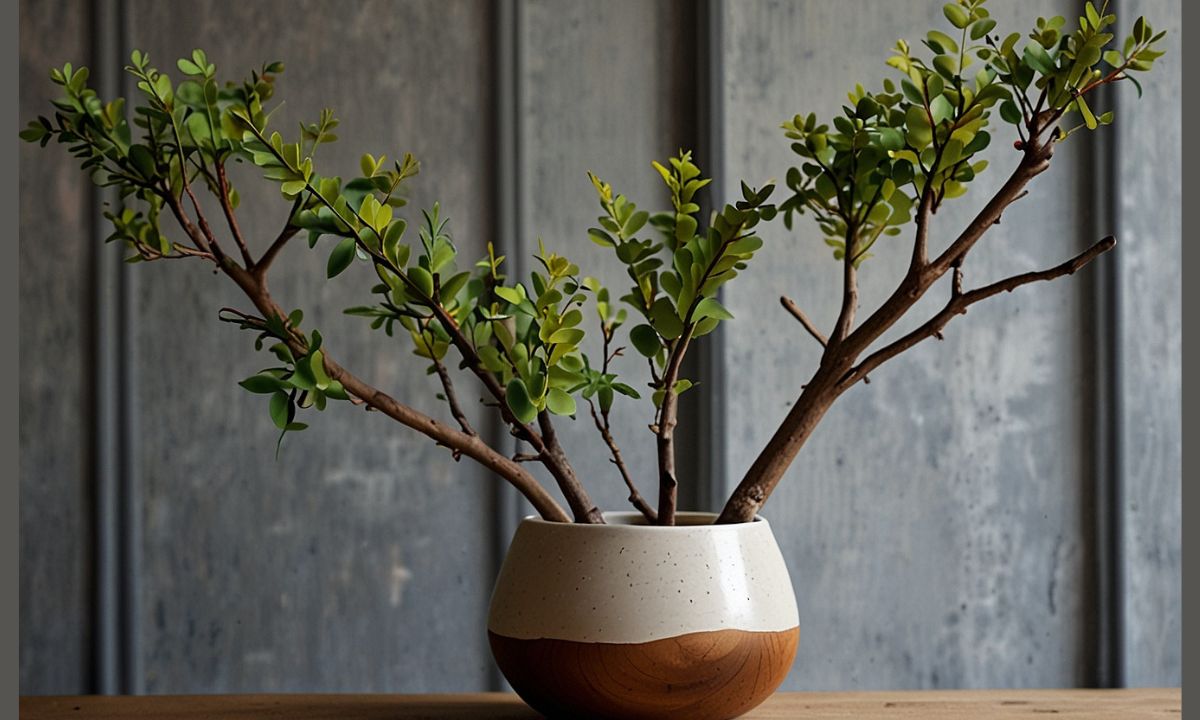
Picture this. You step into a quiet living room after a long day, and instead of clutter or bright flowers fading on the table, your eyes land on a few graceful branches rising from a simple glass vase. Sunlight catches their curves, casting soft shadows across the wall. The space feels instantly calmer, more alive yet never busy. That, right there, is the quiet magic of pyntekvister.
You might not have heard the term before, but chances are you have seen its influence in those effortlessly stylish Nordic homes scrolling past on your feed. Pyntekvister is the Norwegian word for decorative branches or pretty twigs. It comes straight from “pynte,” meaning to decorate or make pretty, and “kvister,” the everyday word for twigs or small branches. At its heart, this is about inviting the outdoors in without any fuss or expense. No plastic plants, no weekly flower deliveries. Just nature, thoughtfully placed.
If you love minimalist home styling, biophilic decor, or the hygge lifestyle, pyntekvister fits like it was made for you. And the best part? Anyone can do it, whether you live in a tiny apartment or a sprawling house. In the next few minutes, you will see why this simple idea has such staying power, how it connects to deeper Scandinavian traditions, and exactly how to bring it into your own space. Ready to give your home that fresh, natural lift? Let’s dive in.
What Exactly Is Pyntekvister?
Pyntekvister is simply the art of using decorative twigs, branches, or small boughs as indoor accents. You can use fresh ones still sporting buds or leaves, dried versions that last for months, or even lightly painted pieces for a modern twist. The focus stays on natural shapes and textures rather than perfect symmetry.
Think of it as nature’s own sculpture. A single tall birch branch can anchor a corner. A handful of willow twigs might weave into a soft centerpiece. Unlike cut flowers that wilt in days, these pieces bring lasting presence. They add height, movement, and that subtle organic feel so many of us crave in minimalist home styling.
You might not know this, but the approach aligns perfectly with biophilic decor principles. Researchers keep showing that even small connections to nature lower stress and lift mood. Pyntekvister delivers that connection in the easiest possible way.
The Roots of This Scandinavian Tradition
The practice traces back to Norway and neighboring Nordic countries where long, dark winters make people hungry for any glimpse of green. Families would gather branches from birch, willow, or pine and bring them inside to force early buds or simply enjoy their form. In Sweden, you still see “påskris,” Easter twigs decorated with colorful feathers and eggs, a direct cousin of the same idea.
Honestly, this isn’t some ancient ritual lost to time. It feels more like a living tradition that evolved naturally from a culture that values lagom (just the right amount) and hygge (cozy togetherness). Scandinavians have always turned to natural materials, wood accents, and simple beauty rather than excess. Pyntekvister is the modern expression of that mindset.
Some experts disagree on exact timelines, but here is my take: the spirit has always been there. What changed is how we talk about it now. With the rise of sustainable crafting and interest in artisanal handcrafts, pyntekvister suddenly feels fresh and relevant again.
Why Pyntekvister Works So Well: Aesthetic and Psychological Benefits
Let me share something from my own experience. When I first placed a simple bundle of dried oak branches in my entryway, the whole hallway felt bigger and more welcoming. The branches added texture without adding clutter. That is the aesthetic power at work.
Visually, pyntekvister offers contrast. Smooth vases meet rough bark. Straight lines of modern furniture play against organic curves. The result feels layered yet still minimalist. Natural wood accents catch light beautifully and create gentle shadows that change throughout the day.
On the psychological side, biophilic decor like this has real benefits. Studies link even brief views of nature to lower cortisol levels and sharper focus. In a busy world, a quiet corner filled with branches gives your eyes and mind a place to rest. It also taps into hygge by encouraging slow living. You notice the seasons shifting outside and reflect that inside your home.
You might be wondering if it really makes that much difference. Try it once and you will see. The room gains warmth without feeling heavy. Guests comment on how peaceful it feels. And you? You start smiling every time you walk past.
Choosing the Best Branches for Pyntekvister Decor
Not every twig works equally well. Here is what to look for:
- Birch: Light color, elegant curves, perfect for minimalist home styling. Great year-round.
- Willow: Flexible stems that bend beautifully for weaving or dramatic arches.
- Pine or spruce: Evergreen needles bring winter freshness and subtle scent.
- Oak: Strong, textured bark for bolder statements.
- Maple or rowan: Colorful autumn leaves or berries add seasonal pop.
Always collect fallen branches or ask permission before cutting. Fresh branches need time to dry if you want them to last. Look for interesting shapes, natural forks, or gentle twists. Avoid anything too straight or uniform; the charm lives in the imperfections.
Preparing Your Materials: A Practical First Step
This part takes almost no time but makes all the difference. Rinse off dirt gently with a damp cloth. Let branches air-dry in a warm, dry spot for a few days to prevent mold. Trim ends at an angle for better stability in vases. If you want a cleaner look, you can lightly sand rough spots or even whitewash them for a coastal-Scandi vibe.
Pro tip: test your arrangement on the floor first before committing to a vase. You will save yourself frustration later.
Step-by-Step DIY Guide to Your First Arrangement
- Gather 3 to 7 branches of varying heights and shapes.
- Choose a simple vase (clear glass or matte ceramic works best).
- Fill the vase about one-third with water if using fresh stems, or use floral foam or pebbles for dried ones.
- Place the tallest branch first toward the back for structure.
- Add medium pieces at angles to create movement.
- Fill in with shorter twigs near the front for balance.
- Step back, adjust, and stop when it feels right. Less really is more here.
That is it. The whole process takes under ten minutes once you have the materials.
How to Style Pyntekvister in Small Spaces and Every Room
Small apartments benefit enormously from this approach. A single delicate branch on a nightstand adds calm without eating floor space. In entryways, tall branches draw the eye upward and make narrow halls feel grander.
Living rooms shine with a large floor vase in an empty corner. Dining tables love low, horizontal arrangements that leave room for conversation. Bedrooms feel more restful with soft willow on a dresser. Even bathrooms gain spa-like serenity from eucalyptus or dried lavender tucked into a small vessel.
For how to style pyntekvister in small spaces specifically, keep scale in mind. Use one or two pieces maximum. Lean them against a wall if you lack surface area. The trick is negative space. Let the branches breathe.
Pyntekvister Weaving Techniques for Beginners
Want to go beyond simple vases? Try basic weaving. Flexible willow or dogwood works best. Start with a simple wreath: overlap stems in a circle and secure with twine or wire. Or create a small wall hanging by lashing twigs into a geometric frame and adding dried botanicals.
These projects feel meditative. You sit with your hands busy and your mind quiet. Perfect rainy-day crafting that results in unique wall art or table runners.
Seasonal Pyntekvister Ideas for Modern Homes
Spring calls for flowering branches like cherry or forsythia forced indoors. Summer brings green leaves and airy arrangements. Autumn means warm tones, acorns wired on, or dried seed pods. Winter favors evergreen, bare sculptural twigs, or fairy lights wrapped gently around branches for subtle sparkle.
Changing displays with the seasons keeps your home feeling alive and connected to the world outside.
Pyntekvister vs. Traditional Floral Arrangements
| Aspect | Pyntekvister (Decorative Branches) | Traditional Floral Arrangements |
|---|---|---|
| Longevity | Weeks to months | 3–7 days |
| Cost | Often free or very low | Recurring expense |
| Maintenance | Minimal (occasional dusting) | Water changes, trimming, wilting cleanup |
| Environmental Impact | Highly sustainable, local sourcing | Often imported, high water and chemical use |
| Aesthetic Style | Organic, minimalist, sculptural | Colorful, lush, temporary |
| Versatility | Works year-round, easy to refresh seasonally | Seasonal but short-lived |
Pyntekvister wins for most busy homeowners who want beauty without constant upkeep. That said, nothing stops you from mixing both when the mood strikes.
Eco-Friendly and Budget-Friendly Wins
This is sustainable crafting at its simplest. You reduce waste, support local nature, and avoid mass-produced decor. Many pieces come straight from your backyard or neighborhood park (with respect for local rules, of course). The savings add up fast compared to weekly bouquets.
FAQs About Pyntekvister
What is pyntekvister in simple words? It is the use of decorative twigs and branches to style your home in a natural, Scandinavian way. Nothing more complicated than that.
Where does pyntekvister come from? It originates in Norway and broader Scandinavian culture, where bringing nature indoors has long helped people through long winters.
Can pyntekvister work in small spaces? Absolutely. A single branch or tiny arrangement on a shelf or desk adds charm without taking up precious room.
How do you care for pyntekvister? Dust gently with a soft brush. Keep away from direct heat or moisture if dried. Refresh water for fresh stems and change them out when needed.
Is it better than regular flowers? It lasts far longer and feels more intentional. Many people prefer the relaxed, sculptural look over bright but short-lived blooms.
Do I need special tools or skills? Not at all. Basic pruning shears and a vase are enough to start. The rest is just playing with what looks good to you.
Can I buy ready-made pyntekvister pieces? Yes. Check local craft markets, Etsy sellers who focus on natural decor, or Scandinavian design shops. Handmade options often carry the most character.
Final Thoughts: Why You Will Want to Try This Today
Pyntekvister proves that beautiful design does not need to be expensive or complicated. It reminds us that sometimes the simplest changes, like placing a few thoughtful branches in a vase, create the biggest shifts in how a home feels.
Some experts disagree on whether trends like this will last, but here is my take: anything that connects us more deeply to nature while respecting our budgets and the planet has serious staying power. In a world full of digital noise and manufactured perfection, pyntekvister offers something real and grounding.
So why not step outside this weekend? Look for a fallen branch that catches your eye. Bring it home, trim it gently, and see what happens when you let nature do the decorating. Your space might just surprise you with how calm and inviting it suddenly feels.
What will your first pyntekvister moment look like? I would love to hear how it transforms your corner of the world. Go ahead and experiment. You have nothing to lose and a much cozier home to gain.